
Accelerating fusion
through plasma and magnets

Combining world-class expertise with cutting-edge physics AI.

Technology

Making fusion cheaper and scalable

Two problems sit at the core of fusion. Plasma that tears itself apart, and magnets that cost more than the rest of the machine put together. We are actively researching both.

A loop of braided superconducting cable, its two cut ends running out toward the edge of the page
Magnets

Next Generation HTS

New superconductors, discovered and drawn in‑house — from candidate lattice to finished wire without leaving the building.

The problem $2B

REBCO tape per reactor, from a supply chain that between everyone using it supports fewer than one machine a year.

  1. 01

    AI-driven discovery

    A world class materials discovery pipeline combining graph-based deep learning models with record-breaking DFT.

  2. 02

    On site R&D

    Materials synthesised, analysed, and refined in-house for shorter design cycles.

  3. 03

    Scalable production

    Materials manufactured at scale at our 42,000 sq.ft. production facility in New Jersey.
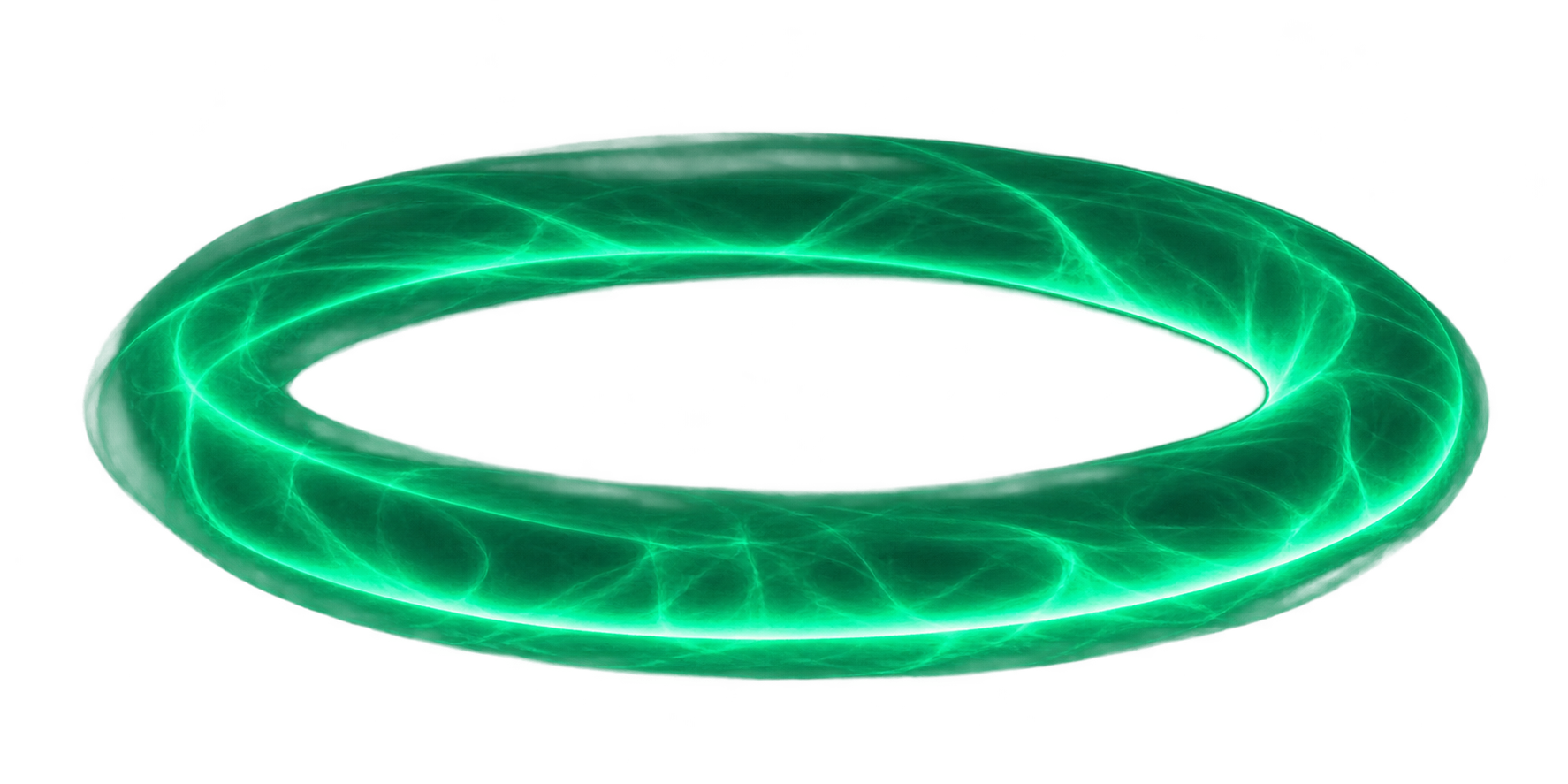
A torus of green plasma seen at a shallow angle, filaments threading around the ring
Plasma

Stabilising Fusion

Accelerating plasma geometry discovery — finding the shapes that hold before anything is built.

The problem 100 MW/m²

Peak heat loads from violent plasma bursts — 20× worse than spacecraft re-entry, on a wall that has to survive for years.

  1. 01

    Reducing instabilities

    Developing geometry that suppresses edge instabilities without giving up confinement.

  2. 02

    Physics-informed deep learning

    Surrogate models trained against full solver output, accelerating simulations by more than 10000×.

  3. 03

    Parametric optimisation

    AI accelerated design optimisation for maximum performance.

10,000× faster plasma simulations
10× lower magnet cost per reactor
100× annual HTS production

Partnerships with Imperial College, Columbia, and Princeton Universities, with research spanning theory, simulation, and experimental validation.

Locations

One mission, three cities

Our plasma and magnet groups work side by side with partner laboratories and university departments across three research sites.

London Materials research & development Rome Plasma research & development New York Magnet production